
Kids Plant Event 2026
Discover the joy of gardening! This year's participants chose from beautiful annual and perennial plants selected for their beauty, safety, and benefit to our environment.
This year, participants had the option of choosing two different varieties of annual plants (pansy, snapdragon, marigold) and one perennial plant (rosemary). We selected these plants for their ability to grow well in our geographical region, their non-toxicity to children, cats and dogs, their relatively low maintenance, and their overall beauty.
The plants also attract pollinators and helpful insects, deter pests, grow for multiple years, and can even be used in the kitchen. We hope you're taking home a lasting memory of the joy of gardening with others!
Annual Plants
Annuals have a lifespan of one year — from seed to producing seeds, then death. They're typically grown outdoors in pots, garden beds, or other areas. These plants have flexible stems and usually live until winter.
This year's choices: Pansy, Snapdragon, Marigold
Perennial Plants
Perennials live for more than one year, growing more roots, flowers, and leaves yearly. They survive harsh winters by going dormant — slowing or halting activity — so they can reemerge the following growing season.
This year's choice: Rosemary
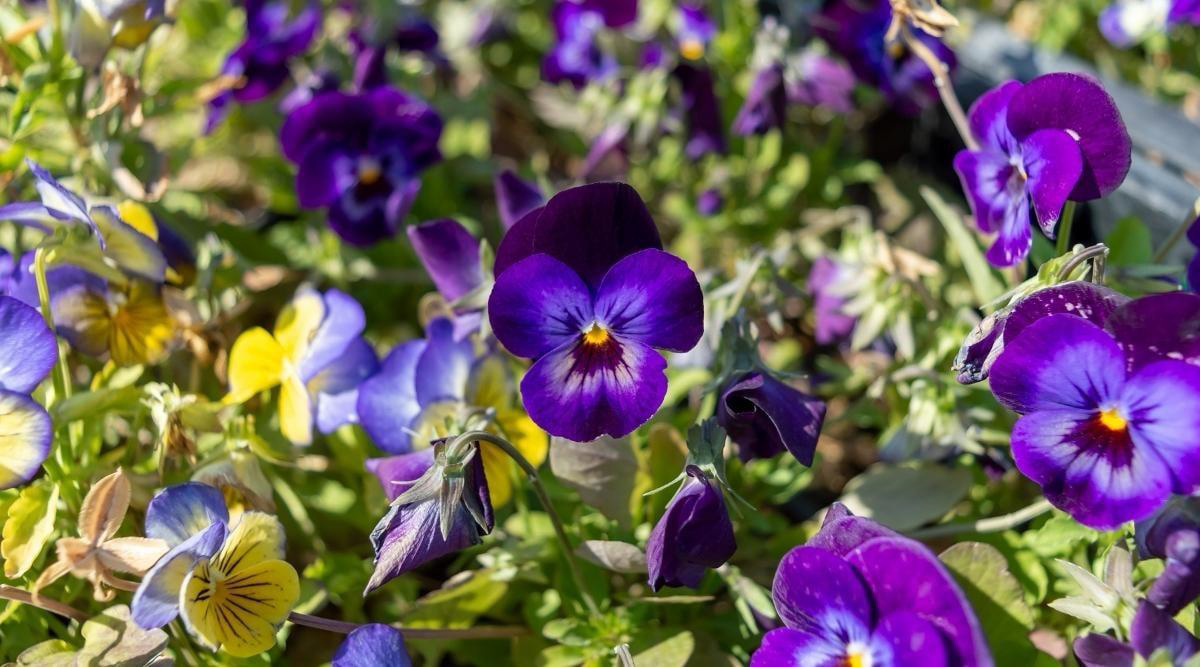
Pansy
AnnualPansies are one of the most interesting annual flowers, typically combining three or more colors on their petals for striking contrasts. They usually have petals shaped like a four-leaf clover — dark center, lighter edge, often with a colorful accent line. Pansies are even edible, used to add color and delicate flavor to dishes!
Full to partial sun
~1" per week. Prefer moist soil; avoid waterlogging roots.
Balanced 20:20:20 NPK, monthly at half-strength during growing season. Compost or manure work great organically.
8 to 9 inches
Leave in your Edmonds In Bloom pail, or for better growth, plant in a sunny spot in your yard or a larger pot. Hardy enough to weather minor frost and drought — with a mild winter, your pansy may even return next season!
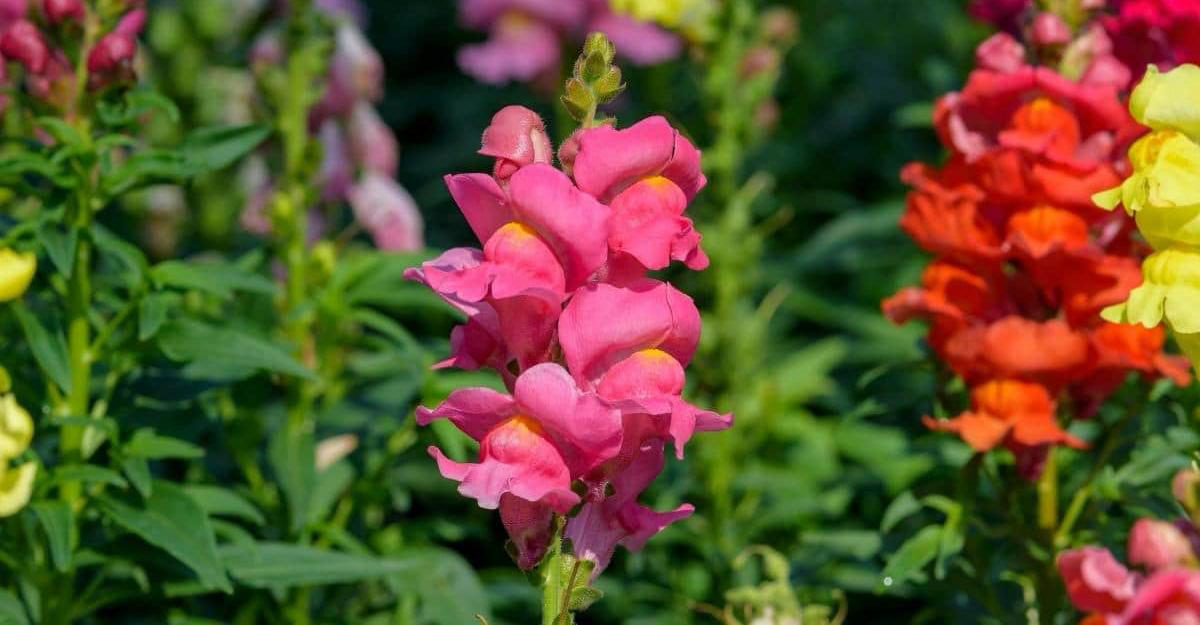
Snapdragon
AnnualSnapdragons are popular because they don't take up much space. Their paired petals cluster at the top in yellow, red, purple, orange, pink, or mixed colors. Stems are covered in long, narrow leaves giving a bushy look. They're pest and disease resistant and attract pollinators that keep your garden healthy.
Full to partial sun. Can adapt to shade but won't thrive in mostly shady spots.
~1" per week. Prefer moist soil; avoid waterlogging roots.
Balanced 10:10:10 NPK every 4–6 weeks through the growing season. Compost or manure work great organically.
1 to 3 feet
Leave in your Edmonds In Bloom pail or plant in a sunny spot or larger pot. Though commonly treated as annuals, snapdragons are actually short-lived perennials that can grow for a few seasons!
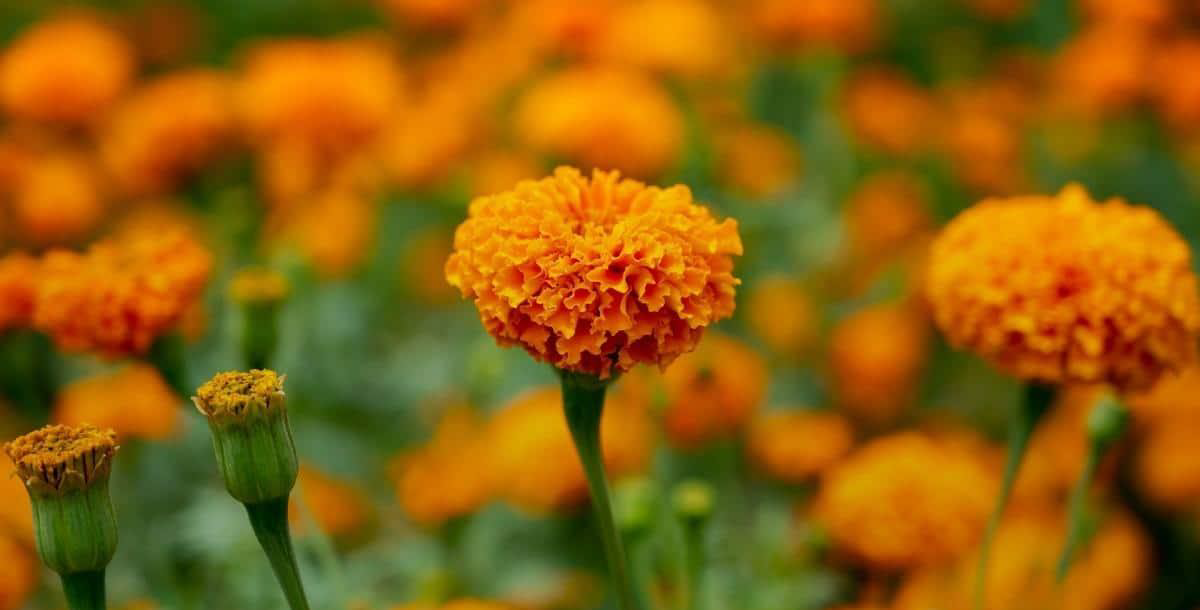
Marigold
AnnualMarigolds look like large fluffy pom-poms about the size of a golf ball, with ruffled petals and red accents that look like tiny flames! They attract bees, butterflies, and other beneficial insects. Their natural chemicals — pyrethrum and limonene — deter harmful pests like tomato hornworms, thrips, whiteflies, and beetles. Planting near vegetables is a great idea!
Full sun
Drought-tolerant, but regular deep, slow watering once a week is much better than letting soil dry out completely.
Balanced 10:10:10 NPK. Compost or well-rotted manure also work as organic alternatives.
6 to 48 inches
Marigolds produce abundant seeds and often self-sow, meaning they may return in following years without replanting. A wonderful, giving plant!
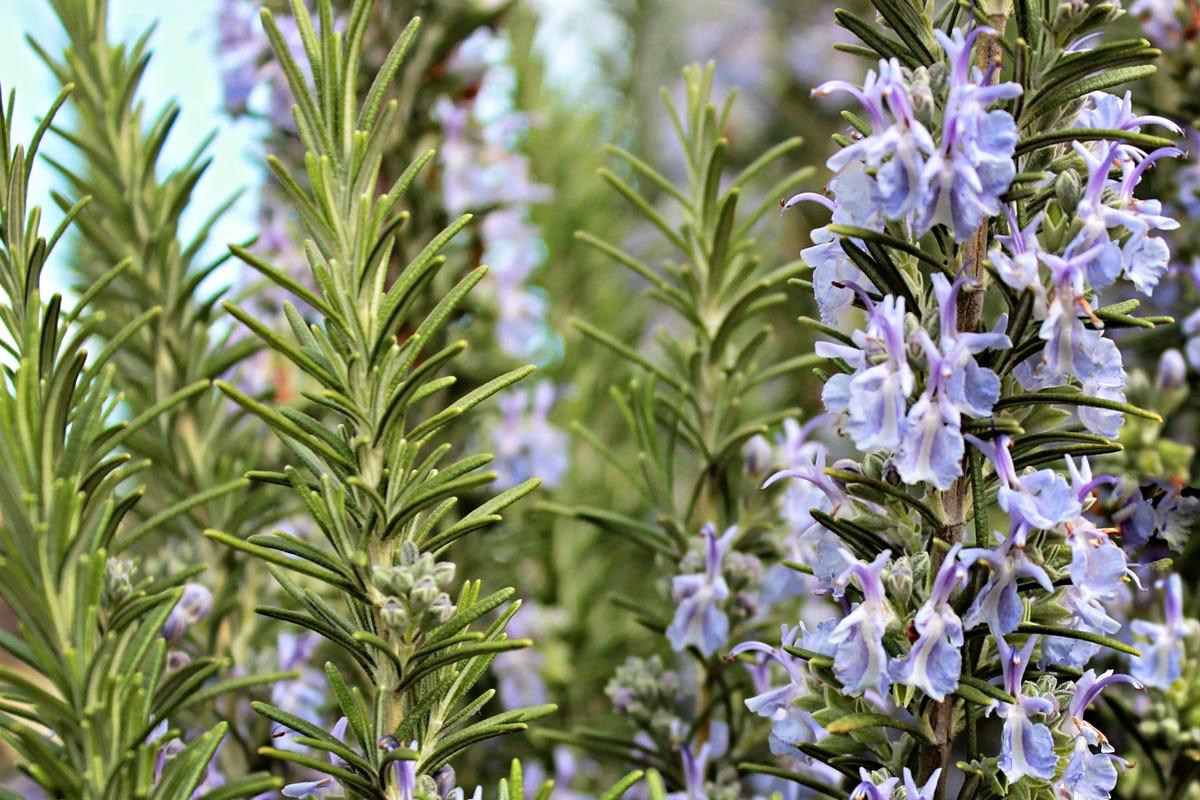
Rosemary
PerennialRosemary is a fragrant perennial herb from the mint family that thrives in warmer climates. It grows as an evergreen shrub with slender, needle-like leaves and light blue to white flowers in spring and summer. A versatile culinary herb with earthy, citrusy, and peppery flavors — rosemary is a wonderful addition to any kitchen garden.
Full sun
Drought-tolerant once established. Let top few inches dry between waterings; keep soil moist but never soggy.
Light feeder. Mix compost into soil at planting, then use balanced fertilizer as needed. Compost or manure are great organically.
2 to 6 feet
Move your rosemary from the Edmonds In Bloom pail into a larger pot or a sunny spot in your yard soon to help it thrive for multiple years. In very cold winters (below 30°F), bring it indoors to protect it.
🪱 The Wonder of Worms
Worms are vital ecosystem engineers that improve soil health, recycle nutrients, enhance water retention, and support biodiversity. Participants at our event could add an earthworm to their planting!
Soil Aeration & Structure
Worms create tunnel networks called biopores that boost oxygen flow to plant roots, improve water infiltration, reduce runoff, prevent erosion, and stop soil compaction — creating a stable home for plant growth.
Nutrient Cycling
By consuming decaying organic matter, worms break down complex materials into simpler compounds, releasing nitrogen, phosphorus, and potassium. Their castings (excrement) are a nutrient-rich natural fertilizer.
Ecosystem & Biodiversity
Worms are a key part of the food web, feeding birds, frogs, and other animals. They distribute microorganisms throughout the soil, boosting microbial diversity and even aiding bioremediation in degraded soils.
Vermicomposting
Worms can convert kitchen scraps and yard waste into nutrient-dense compost through vermicomposting — reducing landfill waste and producing a valuable soil amendment that improves plant growth for years to come.
Thank You for Supporting Edmonds In Bloom! 🌸
We hope you enjoyed selecting and decorating your pail, choosing your plants, and experiencing the joy of gardening with others. Happy growing!